
What is Cloud ERP Software? | Definition, Key Modules | Comparing Cloud, On-Premises and Hybrid

Enterprise Resource Planning (ERP) systems serve as the nervous system of modern organizations, centralizing critical processes such as finance, human resources, supply chain, and manufacturing. Over the past decade, the transition to Cloud ERP has accelerated, driven by the need for greater agility, real-time insights, and cost efficiency.
In this article, we will take a deeper look at Cloud ERP-its architecture, potential challenges, best practices for adoption, and forward-looking trends that could reshape how businesses operate.
1. Understanding Cloud ERP Architecture
At its core, a Cloud ERP system is hosted on remote servers managed by a third-party provider (often in a multi-tenant environment), accessed via the internet:
Multi-Tenant vs Single-Tenant
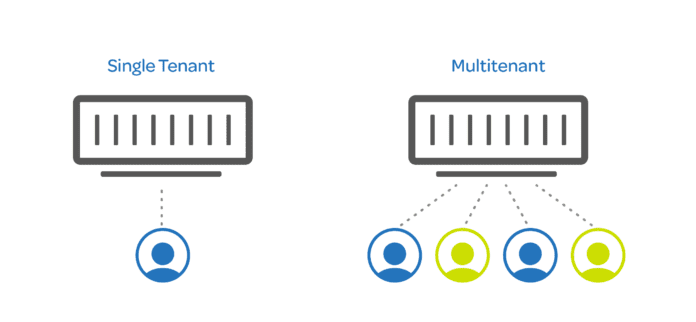
- Multi-Tenant: Multiple organizations share the same underlying infrastructure and application codebase, benefiting from lower costs due to economies of scale. Updates are rolled out universally, which can simplify maintenance. However, extreme customization might be more limited.
- Single-Tenant: Each organization has a dedicated environment, offering deeper customization and potentially greater data isolation, but often at a higher cost.
API-Driven Integrations
Modern Cloud ERP systems typically provide APIs or connectors that allow seamless integration with other cloud or on-premises systems (e.g., CRM, e-commerce platforms). This modularity is crucial for businesses that rely on multiple specialized applications.
Microservices and Containerization
Many newer Cloud ERP solutions adopt microservices architectures, where each functional module (finance, procurement, CRM, etc.) operates independently but communicates via APIs. This design helps in rolling out updates or new features without impacting the entire system.
Discover Top 5 ERP Software in 2025 with this article.
2. Comparing Cloud, On-Premises and Hybrid
While the advantages of Cloud ERP over traditional on-premises deployments are well-known, some organizations choose a hybrid approach, maintaining certain critical processes on local servers while migrating others to the cloud. Below is an expanded look at the three models:
Model | Cloud ERP | On-Premises ERP | Hybrid ERP |
| Deployment | Fully hosted by the vendor, accessed via the internet | Hosted on an organization’s own servers | Combination of on-premises and cloud environments |
| Customization | Limited by vendor’s core architecture, but often extensible via APIs | Potentially high, but requires significant development and maintenance | Selective: business can customize on-prem parts heavily while leveraging cloud services for agility |
| Cost | OPEX model with subscription fees, predictable monthly/annual expenses | CAPEX-intensive, higher upfront cost for hardware and licensing | Costs split between on-premises infrastructure and cloud subscriptions |
| Security | Vendor ensures updates & patches; compliance must be verified | In-house team responsible for end-to-end security | More complex compliance management across multiple environments |
| Scalability | Rapid scaling; add or remove users/functions with minimal disruption | Scaling involves new hardware and software investments | Moderate flexibility; some functions scale easily in the cloud, others remain hardware-bound |
| Data Control | Data hosted off-site; strong SLAs required for data sovereignty | Full control over data location & backups | Critical data can remain on-prem while less sensitive data or newer functions move to cloud |
Hybrid deployments can be advantageous for heavily regulated industries or organizations with specific data sovereignty requirements. However, the ultimate choice should be driven by business goals, cost considerations, and IT capabilities.
3. Deeper Look at Key Modules in Cloud ERP
While most ERP systems offer similar core functionalities, Cloud ERP solutions often provide advanced modules that cater to rapidly changing business needs:
Financial Management
Offers real-time visibility into cash flow, budgeting, revenue forecasting, and compliance. Advanced Cloud ERP solutions may include AI-driven analytics for fraud detection or automated reconciliations to streamline financial close processes.
Supply Chain & Inventory
Facilitates end-to-end inventory tracking, supplier management, demand planning, and logistics. Cloud-based supply chain modules can dynamically scale to accommodate seasonal demand spikes and integrate with global shipping providers.
Human Capital Management (HCM)
Goes beyond basic HR functions (e.g., payroll, benefits) to include performance management, talent acquisition, and workforce analytics. Managers gain a unified view of workforce productivity across multiple locations.
Manufacturing & Production
Offers real-time production schedules, resource planning, and quality control measures. Cloud ERP can integrate with IoT devices on the shop floor to provide predictive maintenance alerts or optimize machine utilization.
Business Intelligence & Analytics
Often includes embedded analytics dashboards, predictive modeling, and KPI tracking. Advanced systems may leverage AI/ML to offer proactive recommendations, such as identifying underperforming products or highlighting cost-saving opportunities.
4. Challenges & Risk Mitigation
Although Cloud ERP delivers agility and cost benefits, a few challenges require careful planning:
Data Governance & Compliance
Regulatory frameworks like GDPR, HIPAA, or local data residency laws can complicate cloud deployments. Conduct thorough due diligence and ensure your vendor’s data centers comply with industry requirements.
Integration Complexities
While many Cloud ERP solutions have robust APIs, connecting them with older legacy systems can be time-consuming. Clear mapping of data flows and careful project scoping help avoid bottlenecks.
Change Management & User Adoption
Switching from a legacy system to a cloud-based ERP involves retraining staff and redefining workflows. Allocate ample resources for user education, phased rollouts, and feedback loops.
Performance & Latency
Global businesses may face latency issues if their Cloud ERP data centers are located far from their main operations. Some vendors provide local data center options or content delivery networks (CDNs) to mitigate lag.
Business Continuity & Disaster Recovery
While cloud vendors typically offer robust disaster recovery, it’s essential to define an internal business continuity strategy. Confirm how quickly the vendor can restore operations in the event of a major outage.
5. Best Practices for Successful Cloud ERP Implementation
Conduct a Thorough Readiness Assessment
Evaluate your organization’s current processes, legacy systems, and future goals. Identify the gaps a Cloud ERP should fill and the metrics that will define success.
Engage Stakeholders Early
From executives to department managers and end-users, involve all relevant stakeholders during the planning phase. This inclusive approach fosters buy-in and clarifies requirements upfront.
Plan a Phased Rollout
Rather than migrating all modules at once, consider a staged implementation-finance, then supply chain, then HCM, etc. This approach reduces risk and allows lessons learned from earlier phases to inform subsequent rollouts.
Leverage Vendor Expertise
Utilize the vendor’s professional services or consulting partners to configure the system correctly and optimize workflows. Their insight can help you tailor the platform to your business needs while avoiding common pitfalls.
Emphasize Training & Continuous Improvement
Provide ongoing training programs and resources to keep your staff up to speed with new features and updates. Encourage a culture of continuous improvement to refine processes over time.
6. Looking Ahead: AI, IoT, and Beyond
The evolution of Cloud ERP is closely tied to emerging technologies:
Artificial Intelligence & Machine Learning
Expect more predictive analytics, automated decision-making, and intelligent chatbots to assist with tasks like supplier negotiations or financial forecasting.
Understanding the Differences: AI, Machine Learning, and Deep Learning with this article.
Internet of Things (IoT)
As more devices become connected, Cloud ERP can integrate real-time sensor data into production and logistics processes, reducing downtime and optimizing resource allocation.
Blockchain
Some vendors are experimenting with blockchain-based ledgers for financial transactions or supply chain traceability, aiming for greater transparency and security.
Industry-Specific Solutions
Vertical-focused Cloud ERP offerings-such as those designed for healthcare, retail, or construction-will continue to rise, providing specialized functionalities and compliance capabilities.
By keeping an eye on these trends and aligning them with strategic objectives, organizations can ensure that their Cloud ERP investment remains future-proof.


%2520%25C2%25B7%2520804%25C3%2597528%25401x.png%3Fv%3D1790847291156&w=1080&q=75)